Schools Closed Tomorrow: What You Need To Know - During closures due to health concerns, maintaining good hygiene practices is crucial. The World Health Organization (WHO) recommends: Identify alternative childcare options or flexible work arrangements in case schools close suddenly.
During closures due to health concerns, maintaining good hygiene practices is crucial. The World Health Organization (WHO) recommends:
Extreme weather events such as snowstorms, hurricanes, or heatwaves often lead to school closures. These conditions can pose significant risks to student safety during transportation and outdoor activities.
In conclusion, understanding why schools close tomorrow and how to prepare for such events is essential for maintaining stability in both educational and family environments. By staying informed, creating backup plans, and leveraging technology, you can ensure that disruptions are minimized.
Schools may close tomorrow for a variety of reasons, each with its own set of implications. Below are some common reasons:
School closures can have a profound effect on both students and their families. Here's how:
Tools like Zoom, Microsoft Teams, and Google Meet facilitate virtual classrooms, allowing teachers to continue instruction remotely.
Incorporate hands-on activities and projects that align with your child's curriculum to keep them engaged and motivated.
Many districts require schools to make up for lost instructional days, either by extending the school year or adjusting the calendar.
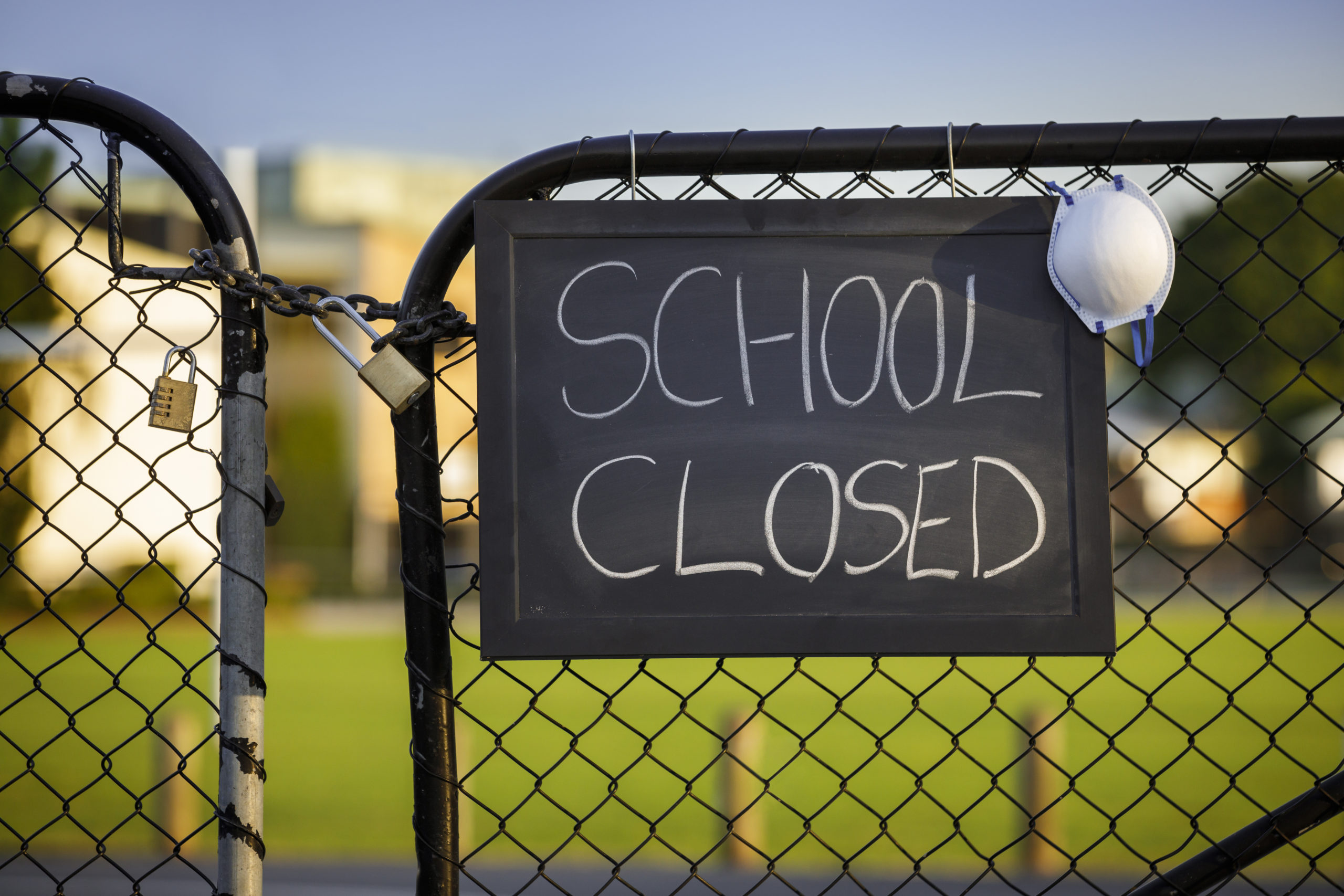
When schools close tomorrow, it can create a ripple effect in the daily lives of students, parents, and educators alike. Whether it's due to unforeseen circumstances like extreme weather, health concerns, or scheduled holidays, understanding the reasons behind these closures is crucial. This article dives deep into why schools might be closed tomorrow, how you can stay informed, and what steps you can take to prepare.
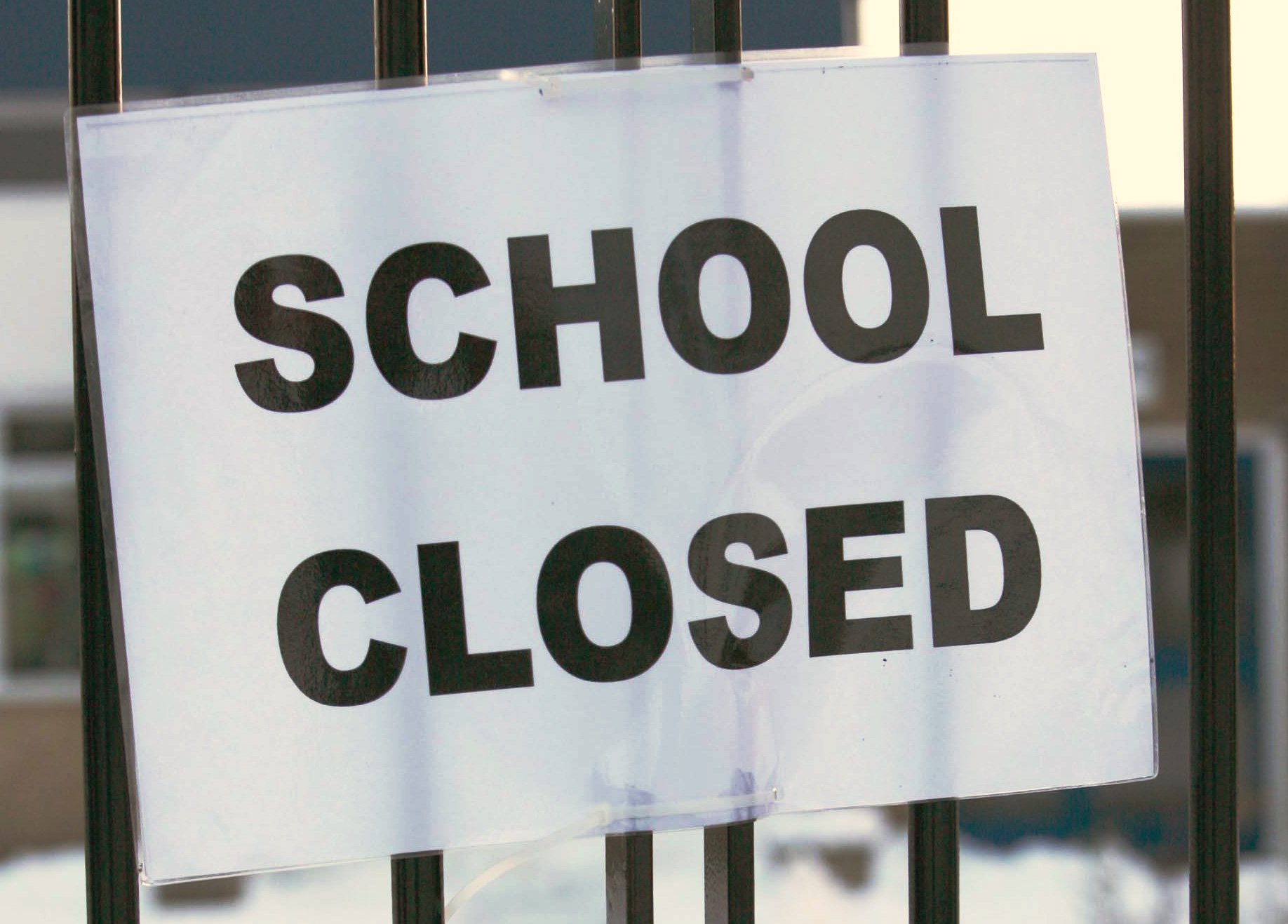
Education systems worldwide are constantly adapting to new challenges, and school closures are just one aspect of this dynamic environment. From pandemics to natural disasters, school closures have become more frequent in recent years. Knowing the reasons and being proactive can help mitigate the impact on both academic progress and family routines.
Outbreaks of contagious diseases, such as the flu or more severe pandemics, may necessitate temporary school closures to prevent the spread of illness. According to the Centers for Disease Control and Prevention (CDC), timely closures can help reduce transmission rates.
E-books, educational apps, and interactive websites provide students with access to a wealth of information, even when schools are closed.